What the symbols mean

Most of what Leslie carves comes from the knotwork and emblems of Scotland and Ireland. A short guide to the ones people ask about most.

Trinity knot

Trinity knot

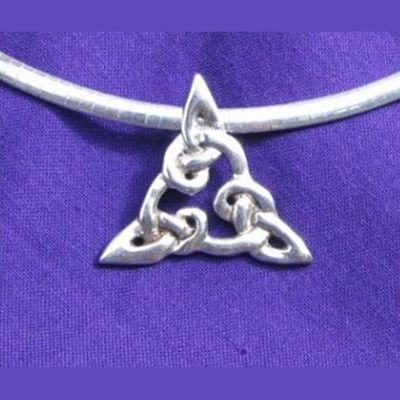
Three loops drawn with one unbroken line. Earth, sea and sky to the ancient Celts; Father, Son and Spirit to the Christians who came after; to many today, past, present and future. It is the most-asked-for knot in the trays.

See the trinity knot pieces
Luckenbooth

Luckenbooth

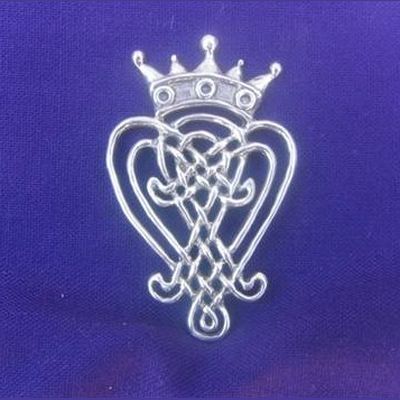
A crowned heart, sometimes two hearts entwined, named for the locked booths that sold them on Edinburgh's Royal Mile. Given as a love token or pinned to a baby's blanket for protection. Mary, Queen of Scots is said to have given one.

See the luckenbooth pieces
Thistle

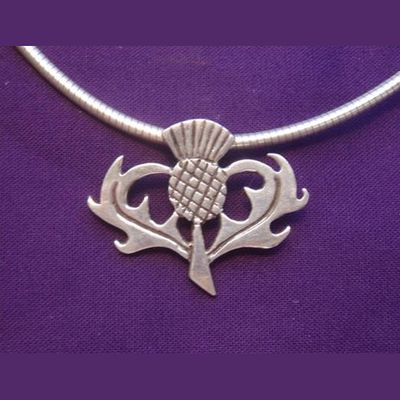
Thistle

Scotland's flower. Legend says a barefoot invader stepped on one and cried out, waking the sleeping Scots. The motto that goes with it: no one provokes me with impunity.

See the thistle pieces
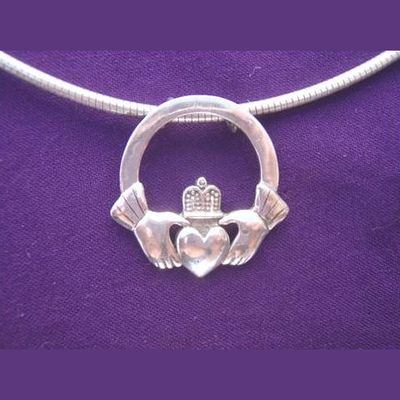
Claddagh

Claddagh

Two hands holding a crowned heart, from the fishing village of Claddagh in Galway. Hands for friendship, heart for love, crown for loyalty. Worn heart-in for a heart that is taken, heart-out for one that is open.

See the claddagh pieces
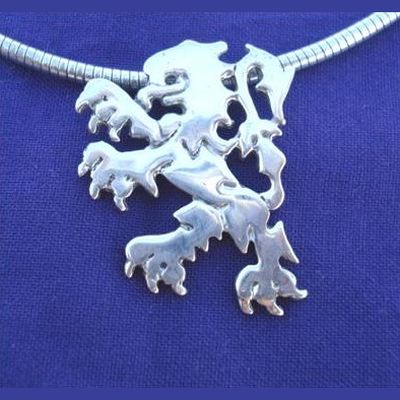
Lion rampant

Lion rampant

The royal banner of Scotland, a red lion rearing on gold. Strength and courage, and the flag you'll see at every Highland games.

See the lion rampant pieces
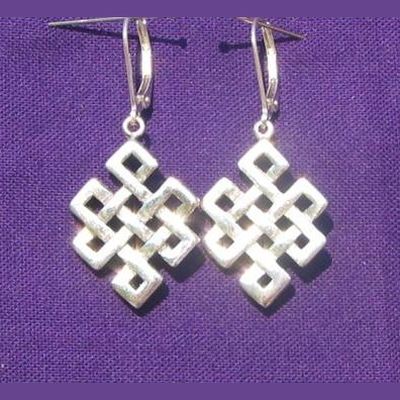
Endless knot

Endless knot

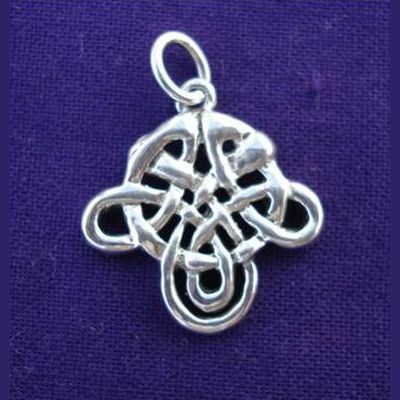
A single closed line with no beginning and no end: eternity, and the way everything is bound to everything else. Found from the Celtic world to Tibet.

See the endless knot pieces
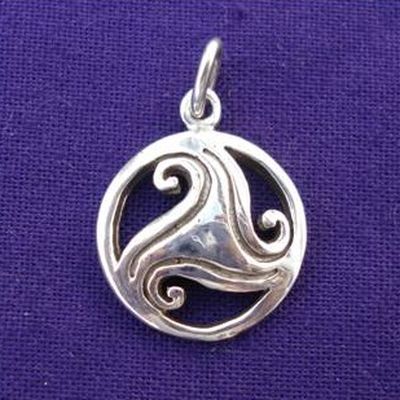
Triskele

Triskele

Three spirals turning from one center. One of the oldest symbols in Europe, carved at Newgrange five thousand years ago. Motion, growth and the three-fold cycles of life.

See the triskele pieces
Shield knot

Shield knot

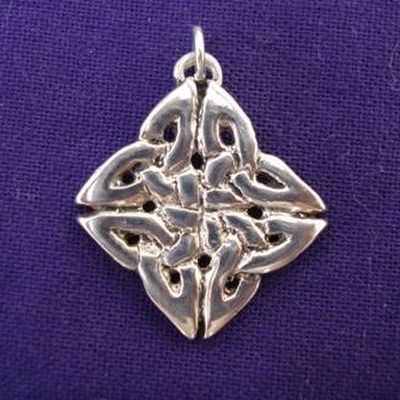
A four-cornered knot worn for protection, placed on shields and over doorways to turn away harm.

See the shield knot pieces
Celtic cross

Celtic cross

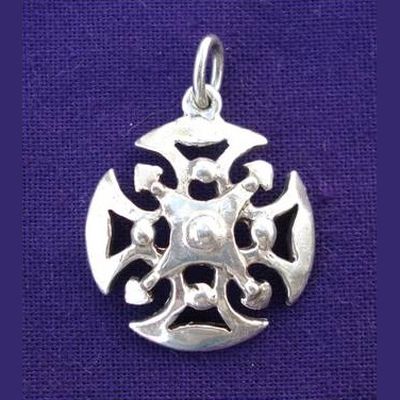
A cross with a ring at its crossing, raised in stone across Ireland and Scotland from the eighth century. The ring is read as eternity, or as the sun the older faith honored.

See the celtic cross pieces
Harp

Harp

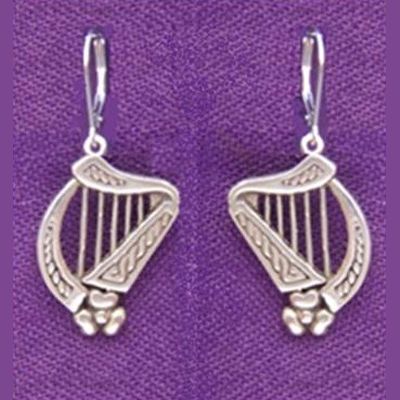
Ireland's national emblem, and the oldest: the harp of Brian Boru is in Trinity College Dublin. Music, hospitality and home.

See the harp pieces
Dara knot

Dara knot

From the Irish word for oak, doire. The oak's root system drawn as knotwork: strength, wisdom and endurance.

See the dara knot pieces